Maple is one of the best reasons to buy lumber locally. A small sawmill can hand you hard maple that came off a log two counties away, cut to the thickness you asked for, with bark still on the edges. What they won't do is guess what your project needs. Most small operations run lean: one or two people, a bandsaw mill, a kiln, and a yard full of stickered stacks. The conversation goes much better when you show up with specific questions and the vocabulary to ask them.
Know What You Want Before You Call
"Maple" covers a lot of ground, and a sawmill owner will assume you already know which one you mean.
Hard maple, also called sugar maple, is dense, pale, and hard-wearing. It's the wood for cutting boards, workbench tops, butcher block, and cabinet doors that take a beating. It also moves a fair amount as it dries and dulls tools faster than most domestic hardwoods.
Soft maple, which includes red maple and silver maple, is lighter in color and weight, machines more easily, and generally costs less. It's the sensible choice for painted furniture, drawer sides, jigs, and shop fixtures. It isn't weak, just softer and less abrasion-resistant than sugar maple.
Then there's figure. Curly, quilted, and bird's-eye maple come from the same trees but sell for much more because the grain patterns are rare and unpredictable. Ambrosia maple has dark streaks left by ambrosia beetles. The wood is structurally sound, but the streaks are a design decision, not a defect, and you should know whether the pile you're buying has them.
Bring your cut list. Thickness is quoted in quarters: 4/4 is one inch rough, 5/4 is an inch and a quarter, 8/4 is two inches. Board feet are easy to figure—one inch thick, twelve inches wide, twelve inches long. If you need boards at least six inches wide for a tabletop glue-up, say so before they start pulling from the stack.
Grading: Ask Them to Speak Plain English
Hardwood grades come from the NHLA system: FAS at the top, then Select, then #1 Common, then #2 Common. A FAS board is nearly clear across most of its face. #1 Common carries more defects but is often the smarter buy when you're cutting small parts anyway, because you aren't paying premium prices for clear footage you'll never use.
Plenty of small mills skip formal grades entirely and sell "mill run" or "rustic"—whatever came off a log, sorted by eye. That isn't a scam, just a different system, and it can be a bargain if you're willing to work around knots and sap.
Ask directly:
- Are these boards graded, and by whom?
- Is this mill run or sorted?
- Can I pull boards out and restack the pile?
- What happens if I find metal or rot inside a board?
Most owners will let you pick through. Some want the whole lift gone at once. Either is workable; you just want to know before you drive out.
Moisture Content and Drying
This is where projects get ruined, so ask more here than anywhere else.
"Is this kiln dried or air dried, and what does it read right now?" Kiln-dried hardwood headed for interior furniture commonly lands in the 6 to 8 percent range. Air-dried stock in most climates sits higher, often 12 to 20 percent, and will keep shrinking and moving in a heated house. For a dining table or a cabinet, you want the lower number—or you need to bring the wood into your shop and let it acclimate for weeks while you watch it with a meter.
Worth asking about drying:
- Was it kiln dried, air dried, or both?
- Can you tell me the moisture content the day I pick it up?
- Was it stacked with stickers and weight on top?
- Any case hardening or honeycomb? Both are kiln defects that show up later, when you resaw.
- Is there sticker stain or blue stain on the faces?
- Are the ends sealed?
Hard maple dries slowly and is prone to sticker stain if it's stacked wet, so a mill that takes drying seriously will answer these without flinching. Bring your own pin meter and check boards from the middle of the stack, not the top layer that's been baking in the sun.
Milling Options and What They Cost
Ask what happens after the saw. Rough is cheapest. From there, many mills will skip plane one face so you can see the figure, straight-line rip one edge so you have a true reference, or surface two sides. Some will cut to your list for a fee.
Two things to clarify. First, the setup or hourly charge for custom milling, and whether there's a minimum. Second, how they measure surfaced lumber. Rough thickness is usually what's billed, so you pay for material that turns into shavings—normal, but worth knowing before you compare prices elsewhere.
If you have a tree from your own yard, ask whether they'll mill or kiln-dry customer logs. Some do, some don't, and the ones who do usually book out well in advance.
Reading the Yard Before You Buy
Walk the stacks. It takes ten minutes and tells you plenty:
- Look at how the piles are built. Straight stack, uniform stickers, weight on top—good signs.
- Slide a board out from the middle. Check both faces and both ends for checks, splits, and stain.
- Sight down the length for twist and bow. A little is normal; a corkscrew is firewood.
- Look at the end grain. Tight, even growth rings usually mean slower-grown, more stable wood.
- Ask what waste factor to expect. On #1 Common, plan on more trim than you would with FAS.
Timing, Quantity, and How They Work
Small mills cut in batches, usually tied to the season and whatever logs they have on hand. Ask when the next cut is and whether they'll set material aside for you. Ask about minimum orders, loading help, and payment—many small operations take cash or a check and would rather skip the card fee. Needing four hundred board feet for a floor is a different conversation than forty board feet for a jewelry box, and being upfront about it saves everyone time.
Make It a Relationship, Not Just an Order
The best reason to buy local maple isn't the price on the first load. It's the third load, when the owner knows you build furniture, remembers you like wide FAS stock, and calls you when a curly log comes through. Show up when you say you will, restack what you pull, don't leave a mess in the yard, and pay promptly. Tell them what you're building. Sawmills are small businesses run by people who like wood, and a customer who knows the difference between hard and soft maple is one they'll look out for.
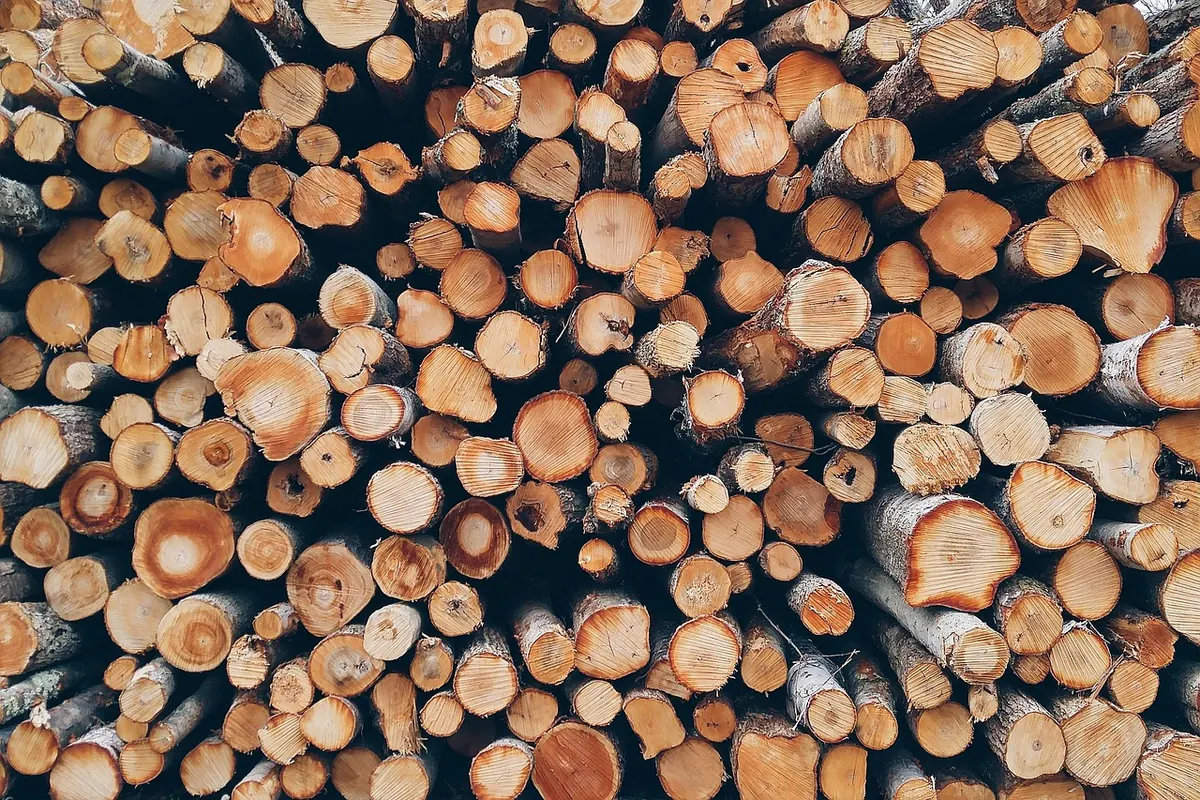
Photo: Pexels / Pixabay